Antique objects often tell layered stories—of social rituals, craftsmanship, and the passage of time. One such object is the tantalus, a refined yet practical piece that once held a prominent place in 18th and 19th century interiors. Recently, the specialist at Artifact treated an antique tantalus that required the replacement of a broken glass panel.
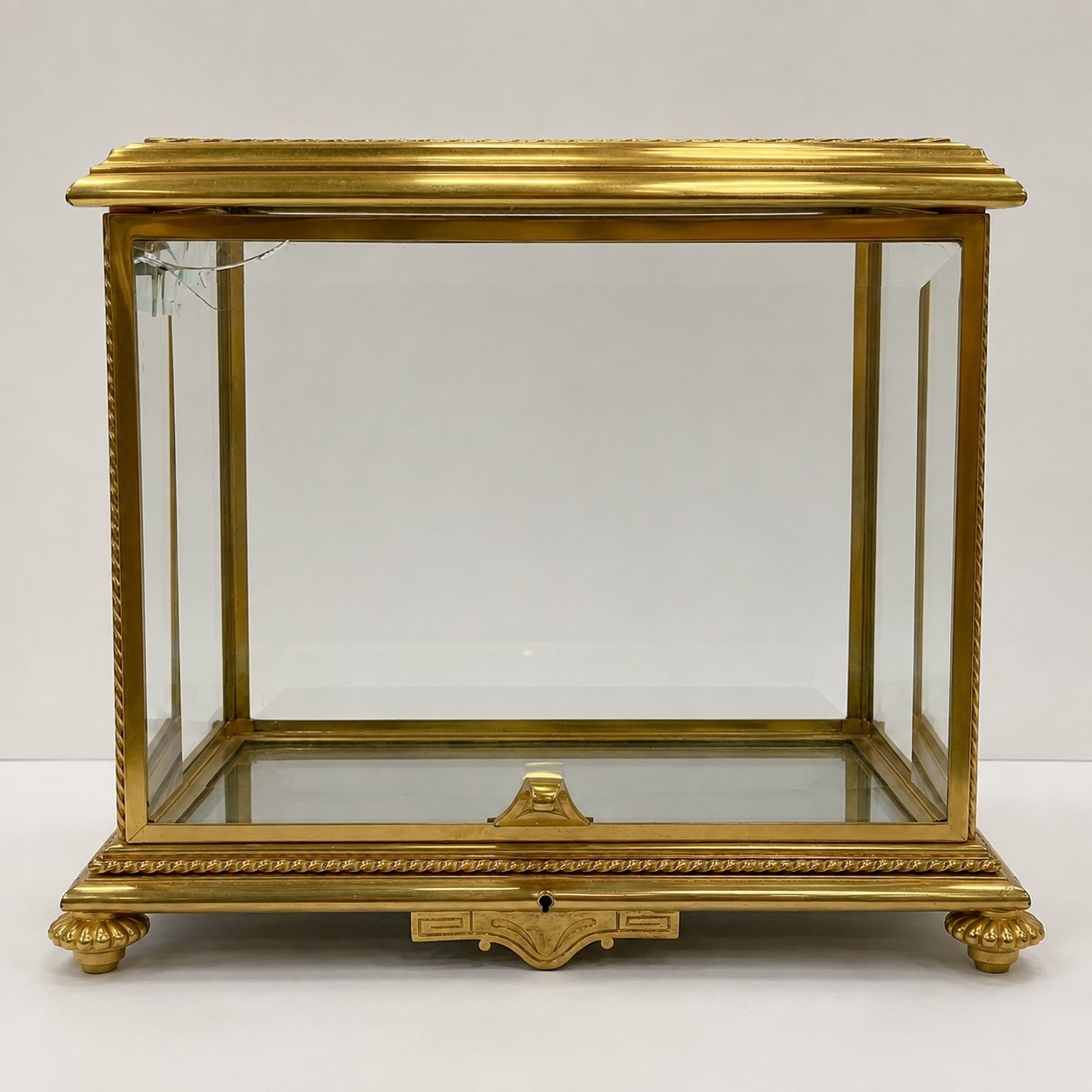
What Is a Tantalus?
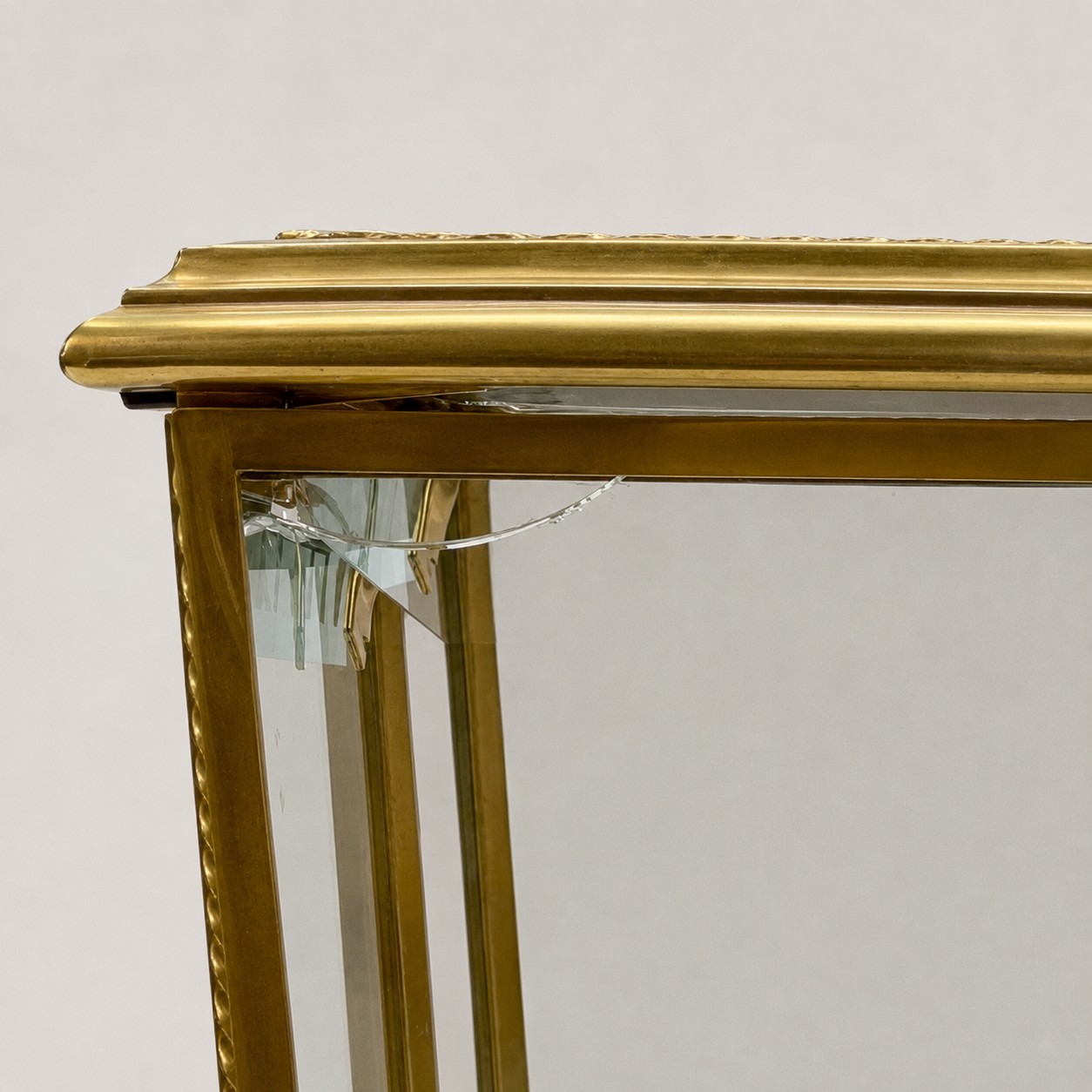
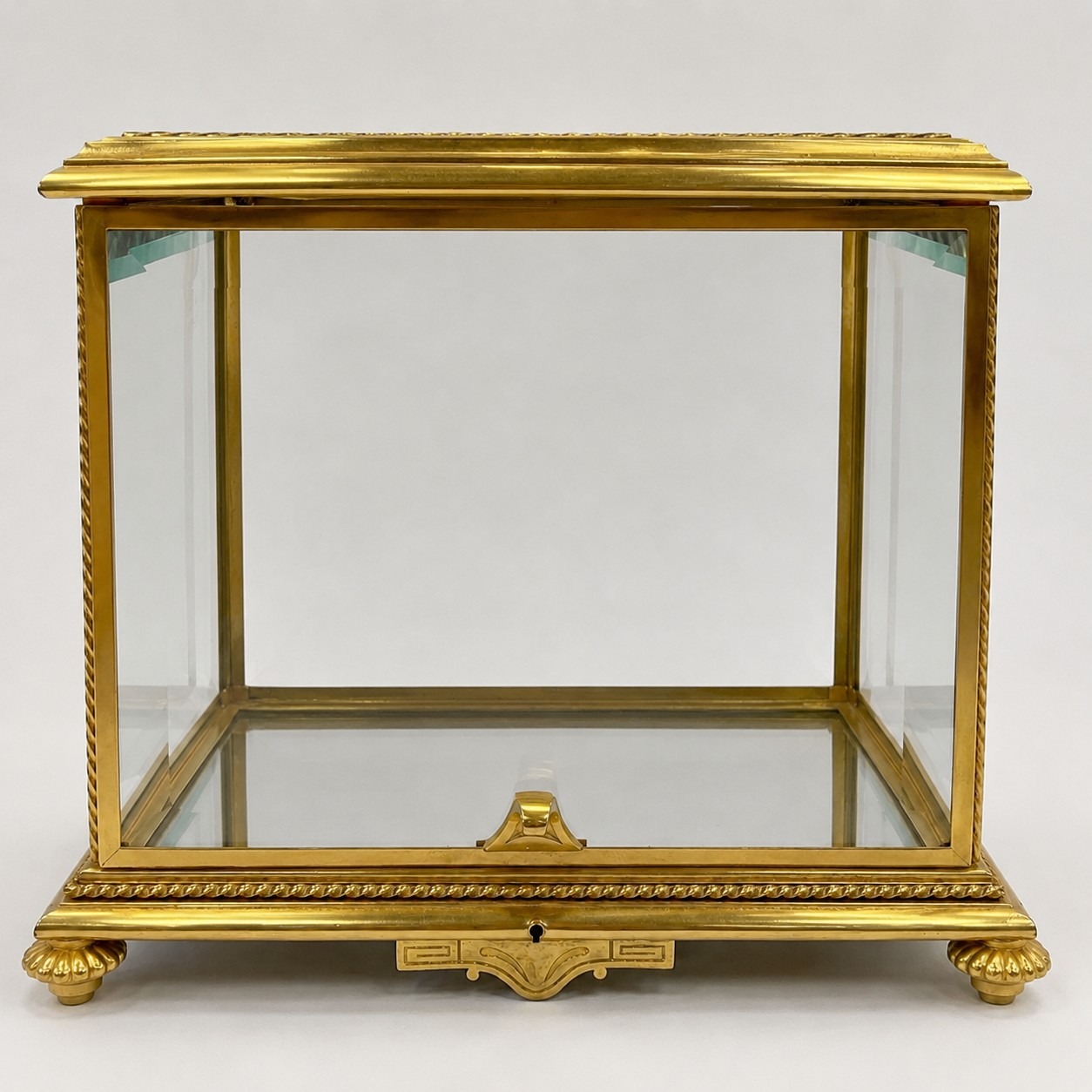
A tantalus is a decorative locking case designed to hold one or more glass decanters, typically for wine or spirits. While the decanters were visible, access was restricted unless the owner unlocked the case. This particular frame is made of brass and is fitted with glass panels, and secured with a lock.
The name “tantalus” is derived from Tantalus, a figure from Greek mythology condemned to eternal thirst, surrounded by water he could never drink. The association is fitting: the contents of the decanters were visible and tempting, yet inaccessible.
Tantaluses became popular in the late 18th century and remained fashionable throughout the Victorian era. They were commonly used in dining rooms, clubs, and libraries, serving both as a functional storage solution and as a symbol of refinement, hospitality, and control.
A Brief History of the Tantalus
Early tantalus designs reflected Georgian and Regency tastes, with clean lines and elegant proportions. As the 19th century progressed, Victorian examples became more elaborate, incorporating ornate metalwork, engraved glass, and richly finished wooden frames.
Beyond aesthetics, the tantalus also addressed practical concerns of the period. In large households or clubs, locking decanters helped regulate the consumption of costly spirits. At the same time, the transparent glass panels allowed hosts to display prized decanters without constant supervision.
The Condition Issue: A Broken Glass Panel
The antique tantalus treated by Artifact, arrived with a broken beveled glass panel, compromising both its structural integrity and visual coherence. The panel was a defining feature of the case, contributing to the lightness, transparency, and balance of the overall design.
In this case, the original panel was made of low-iron glass, prized for its exceptional clarity and minimal green tint. It also featured a custom bevel, carefully proportioned to complement the frame and adjacent panels.
Simply inserting a standard replacement would have compromised the object’s beauty and integrity.
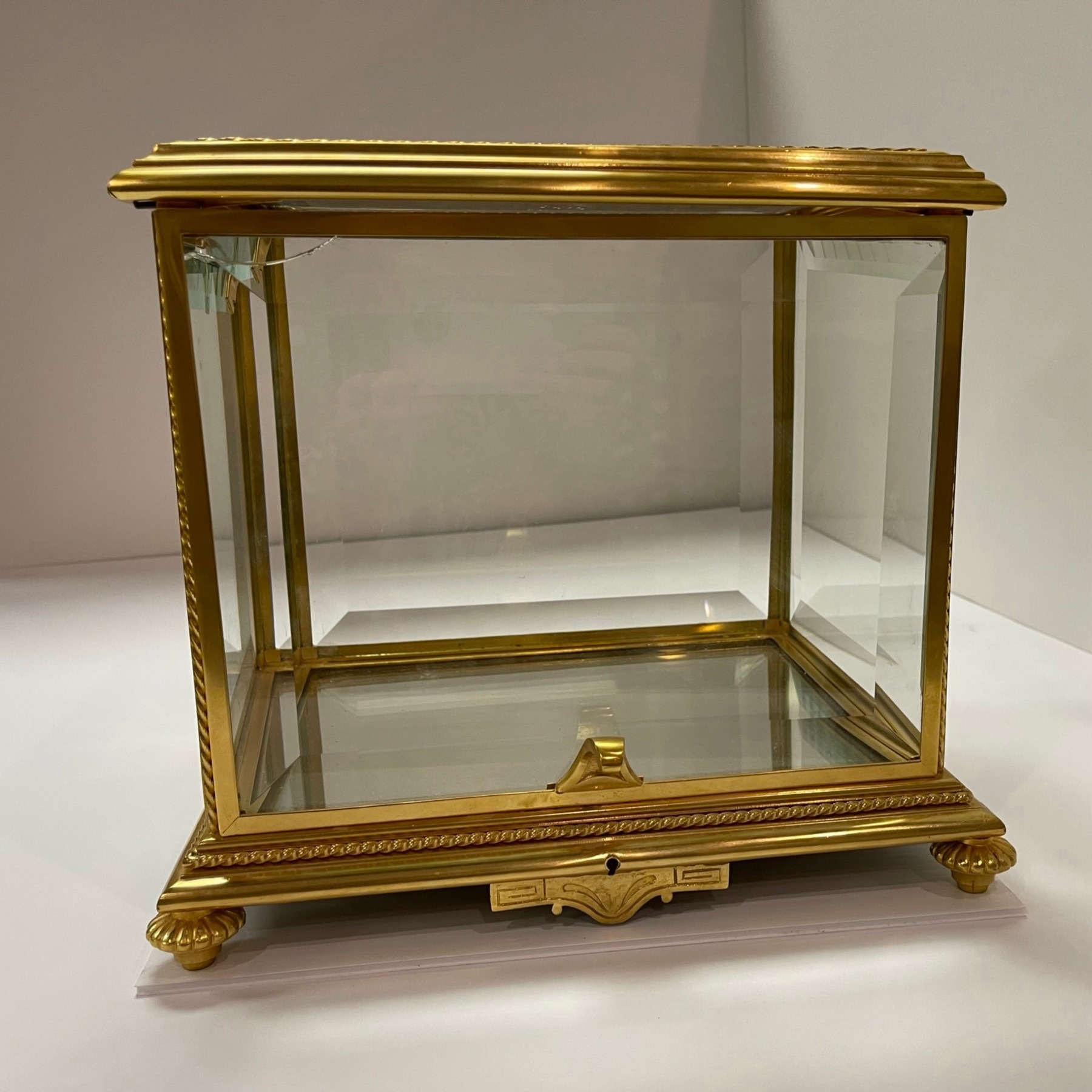
Matching the Original: Glass Analysis and Recreation
Artifact’s specialists began by closely examining the surviving glass elements to determine the original material characteristics. This included assessing thickness, clarity, edge detail, and bevel size.
Low-iron glass was selected to match the optical properties of the original panel, ensuring consistency in color and light transmission. The bevel was custom cut to replicate the angle, width, and finish of the existing panels—an essential step in maintaining visual harmony.
Installation and Final Integration
Once fabricated, the new glass panel was carefully fitted into the antique frame. Installation was carried out with attention to minimizing stress on the surrounding structure, preserving original materials, and ensuring a secure yet reversible fit where possible.
The completed panel integrates seamlessly with the original glass, restoring the tantalus’s symmetry and transparency without drawing attention to the intervention. The result respects the object’s age while returning it to a stable and display-ready condition.
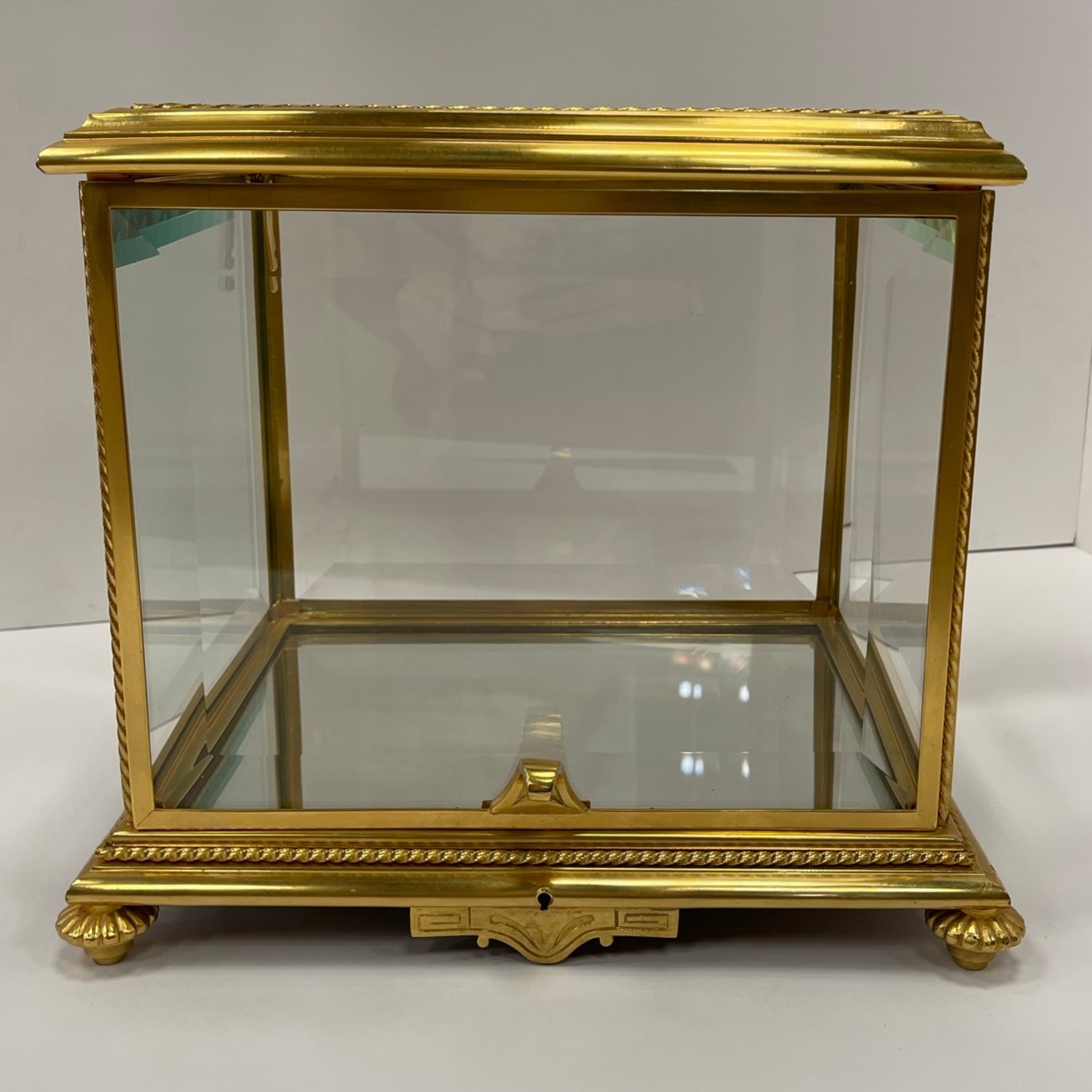
Preserving History Through Thoughtful Treatment
The restoration of this antique tantalus exemplifies Artifact’s approach to conservation: respecting original materials, honoring historical context, and applying modern expertise with restraint. By matching the original low-iron glass and recreating the custom bevel, Artifact ensured that the treatment enhanced the object rather than altering its character.
For collectors, designers, and institutions, this level of care helps preserve not just the physical object, but the story it carries; of craftsmanship, social ritual, and enduring design.
If you have an antique object requiring evaluation or treatment, Artifact offers expert consultation and solutions tailored to each piece’s unique history and construction.
If you have a project requiring expert conservation or custom fabrication, contact Artifact at info@artifactservices.com to discuss how our specialists can help.
BEFORE
AFTER
Frequently Asked Questions About Antique Tantalus Restoration
What is an antique tantalus, and what was it used for?
An antique tantalus is a decorative locking case designed to hold glass decanters containing wine or spirits. The decanters remained visible through the glass or open framework but could only be removed when the case was unlocked. Popular during the Georgian, Regency, and Victorian periods, tantaluses combined secure storage with an elegant display of prized glassware.
Can a broken beveled glass panel in an antique tantalus be replaced?
Yes. A broken beveled glass panel can often be custom fabricated to match the surviving glass. The process may include evaluating the original panel’s thickness, clarity, dimensions, edge treatment, and bevel profile. A carefully matched replacement restores the tantalus’s structural stability and visual balance while respecting its historic character.
Why is low-iron glass used when restoring an antique tantalus?
Low-iron glass offers exceptional clarity and has less of the green tint commonly visible in standard glass. When the original or surviving panels are particularly clear, low-iron glass may provide the closest visual match. Selecting compatible glass helps the replacement panel blend with the surrounding material instead of appearing noticeably newer or different.
How is a custom beveled glass panel recreated for an antique object?
The surviving glass and frame opening are carefully examined to determine the required dimensions, thickness, bevel width, angle, and finish. A replacement panel is then cut and custom beveled to correspond as closely as possible with the original components. Because historic materials were often handmade and have aged over time, an exact match may not always be possible, but skilled fabrication can achieve a highly sympathetic result.
Does replacing broken glass affect the value of an antique tantalus?
A professionally fabricated replacement can help preserve the tantalus’s appearance, stability, and usefulness. However, any replacement material should be documented, and its effect on market value may vary according to the object’s rarity, condition, provenance, and the amount of original material that remains. Conservation-minded treatment prioritizes retaining original components and making only the intervention necessary to stabilize and visually reintegrate the piece.