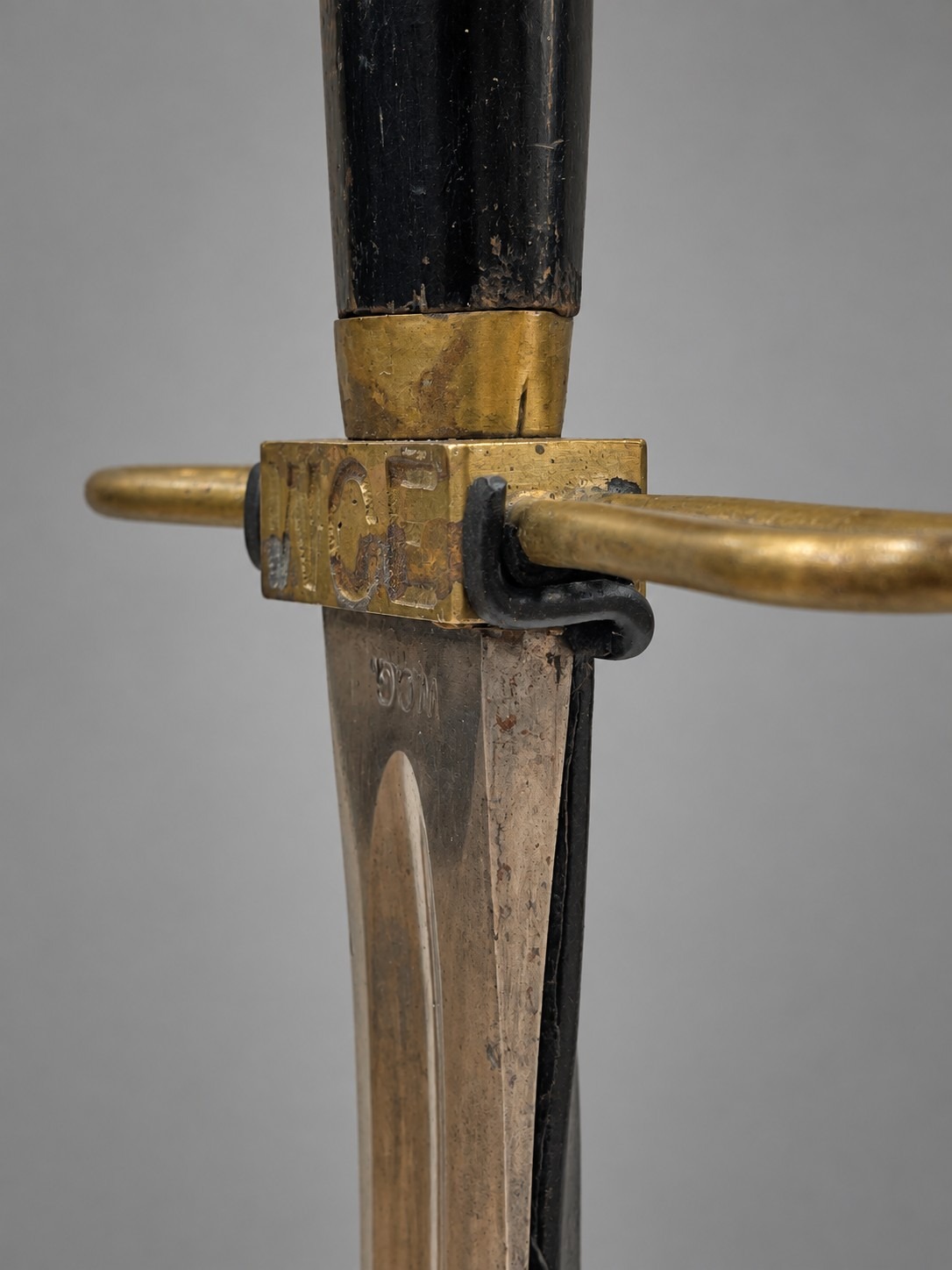
Carried by the security team that patrolled the White City fairgrounds, this 1893 Chicago World’s Columbian Exposition guard’s sword once formed part of the uniform worn throughout the fair. The sword features a brass hilt, a black-painted wooden grip, and a distinctive half-globe pommel. It is stamped “WCE” on the hilt and “WCG” on the blade.
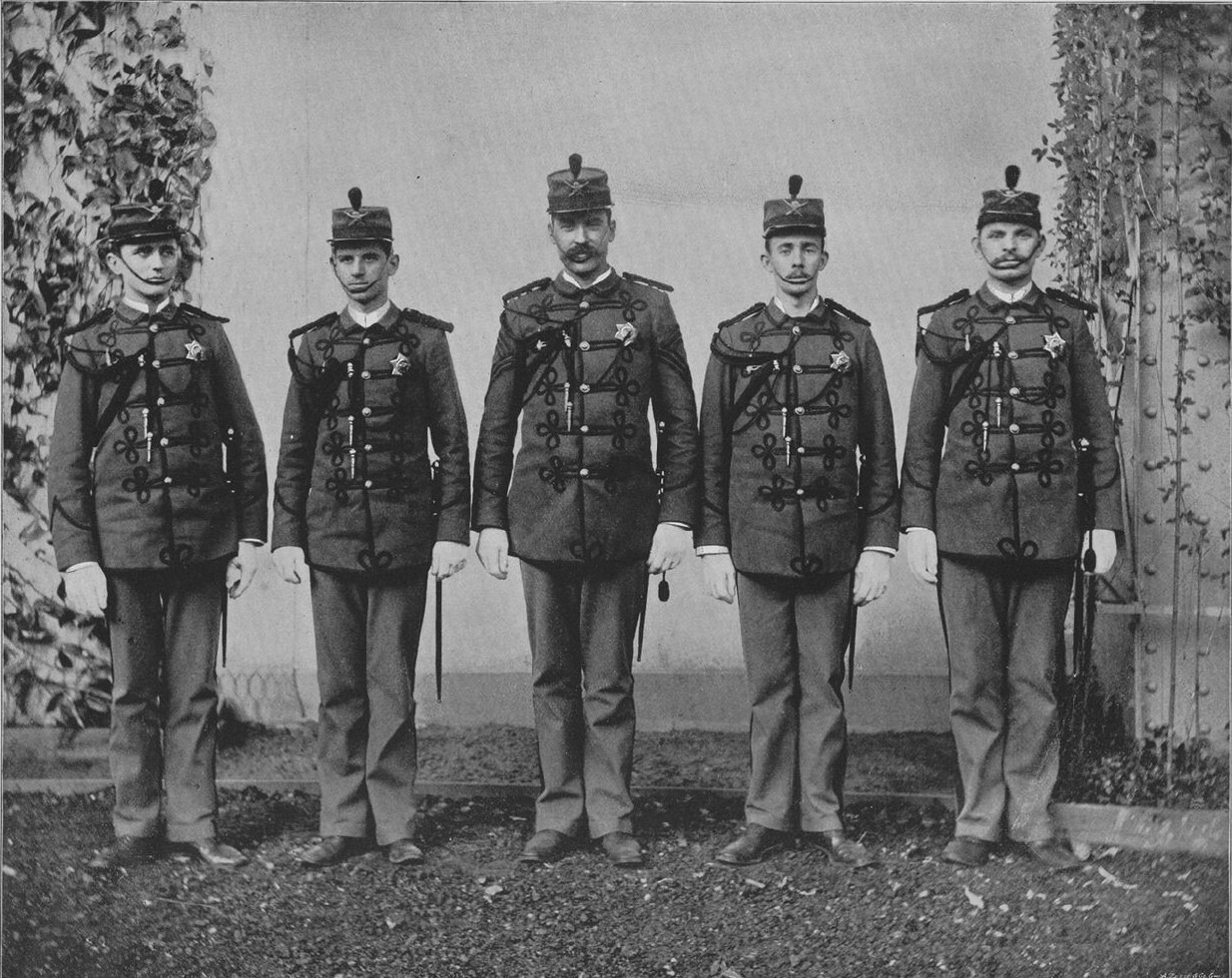
Period photographs show the guards carrying their swords at the proper left side, offering valuable context for how these objects were originally worn and presented.
To display the sword safely while facilitating access, Artifact Services designed and fabricated a custom black powder-coated steel stand. A slender vertical post sits discreetly behind the sword, while two fitted brackets elegantly support the handle without distracting from its details.
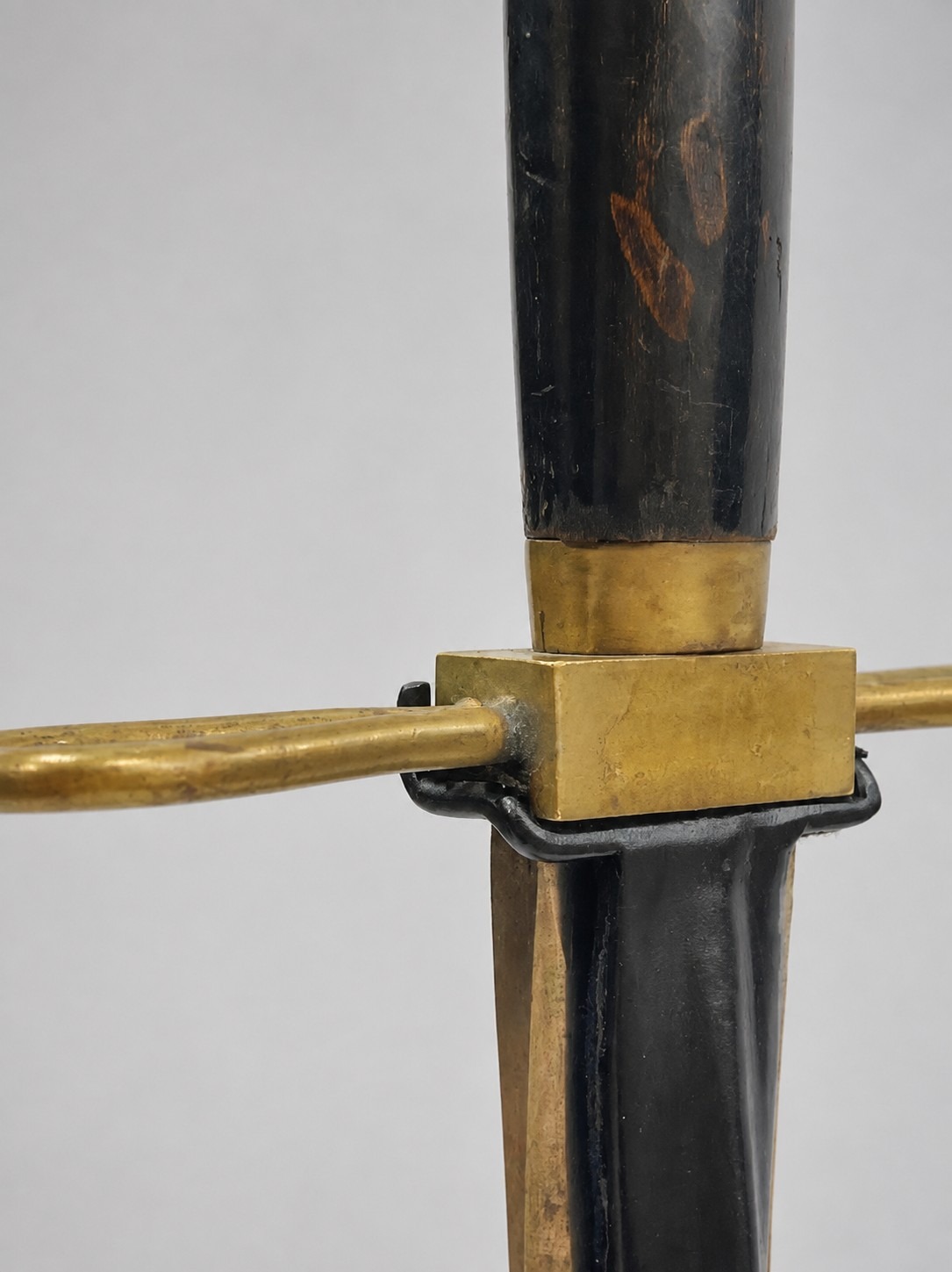
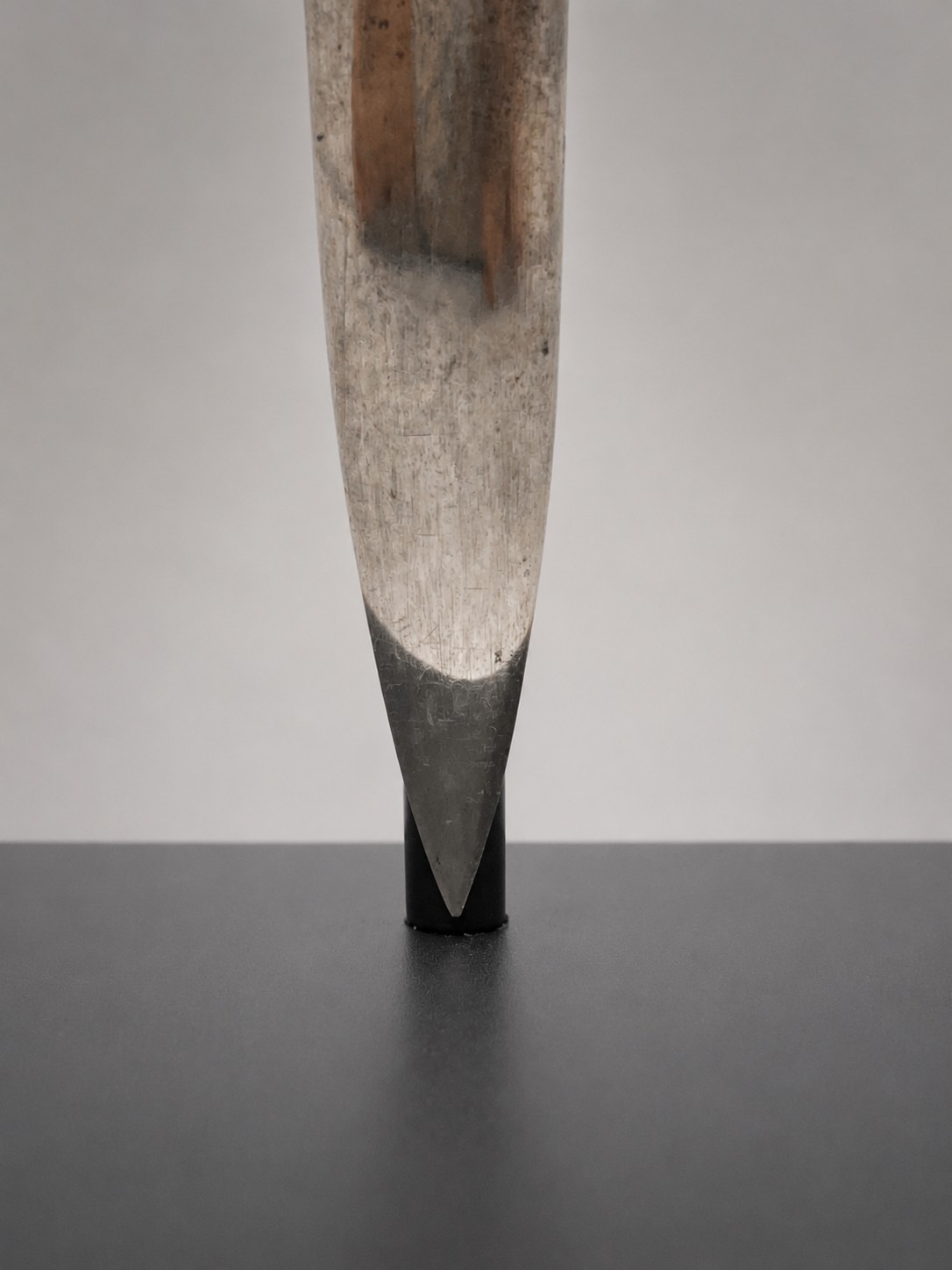
At the bottom of the mount, a concealed magnet gently aligns the blade and keeps its tip properly positioned. Together, the magnet and upper brackets provide secure, stable support without permanently attaching the sword to the stand. The mounting system is fully reversible, allowing the sword to be removed for examination or handling and returned to its correct position with ease.
The finished mount provides a clean, understated presentation that makes the complete sword visually accessible while respecting its historic character. It is a practical example of how a thoughtfully designed custom mount can balance preservation, accessibility, and presentation for an important artifact from the World’s Columbian Exposition.
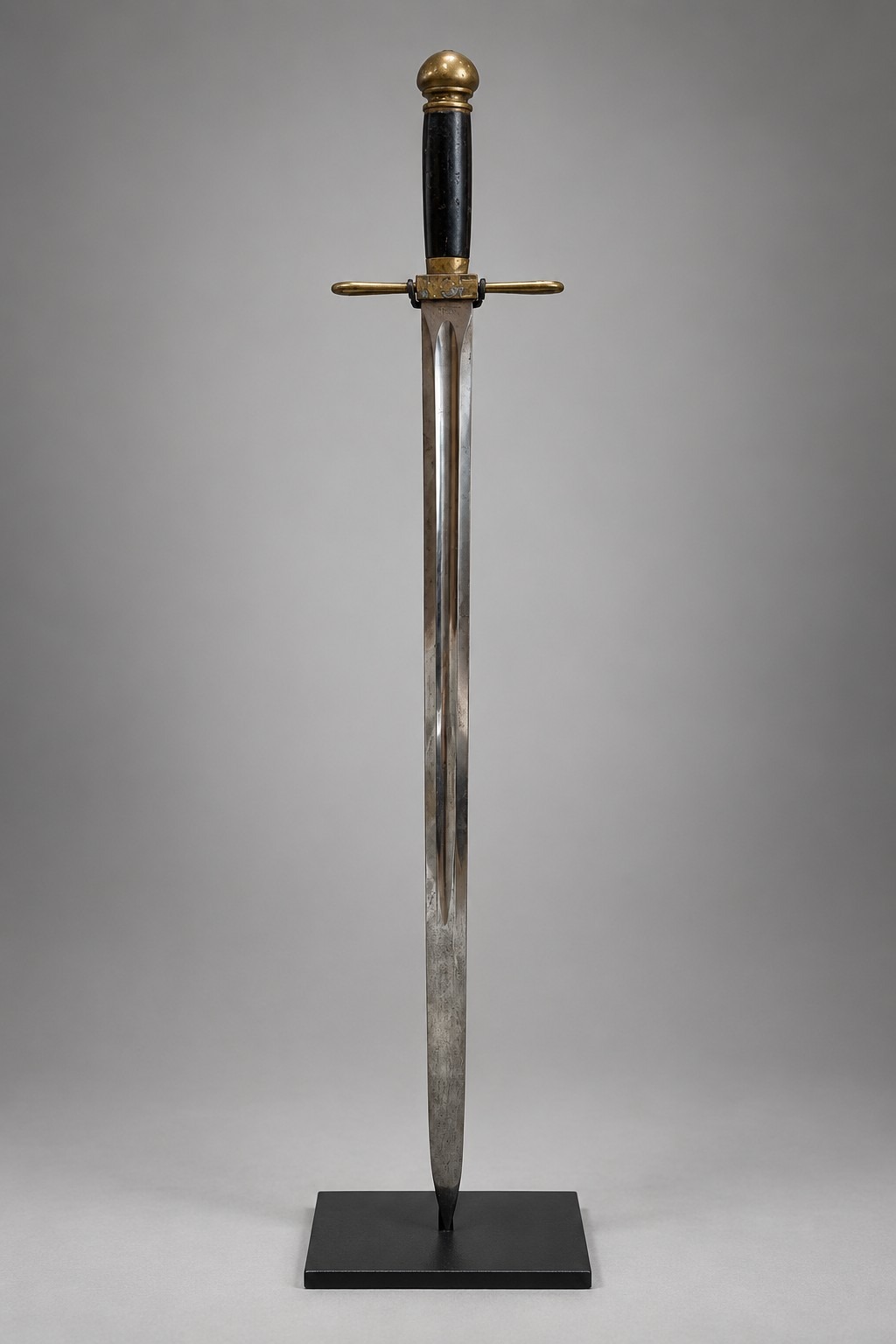
Can a sword be vertically displayed on a stand without permanently attaching it to the stand?
Yes. A properly designed mount can support a sword without drilling, fastening, or permanently altering it. For this 1893 Columbian Exposition guard’s sword, two fitted brackets support the handle while a concealed magnet gently aligns the blade at the base. The sword remains secure but can still be removed when necessary.
Are magnetic mounts safe for historic metal objects?
Magnets can be appropriate when their strength, position, contact materials, and interaction with the object have been carefully evaluated. In this mount, the magnet serves as a discreet alignment aid rather than the sword’s primary structural support. Each object must be assessed individually before a magnetic component is incorporated.
What does it mean for an artifact mount to be reversible?
A reversible mount supports an object without permanently changing it. The artifact can be removed for examination, conservation, research, photography, or relocation and then returned to the display. Reversibility is especially important for museums, collectors, historical organizations, and institutions responsible for long-term collection care.
Can Artifact Services create mounts for objects other than swords?
Yes. Artifact Services designs and fabricates custom mounts for archaeological objects, historic artifacts, sculpture, decorative arts, natural-history specimens, jewelry, ceremonial objects, and other challenging three-dimensional pieces. Each mount is developed around the object’s condition, materials, weight, balance, display environment, and handling requirements. Contact us to arrange an evaluation and discuss an appropriate display solution.